What to Expect During Spinal Stenosis Treatment

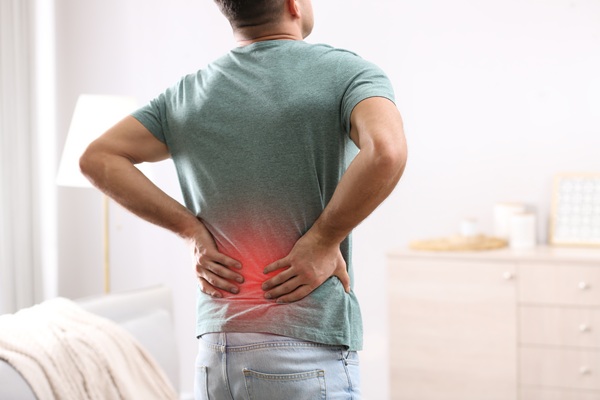
Spinal stenosis treatment usually depends on the location of the stenosis as well as the severity of the symptoms and signs. You should always talk to your doctor or chiropractor about the treatment that is great for your situation. Spinal stenosis is a narrowing of the spaces within your spine that often affects people over the age of 50. Read on to learn more about the treatment of spinal stenosis.
Spinal stenosis treatment
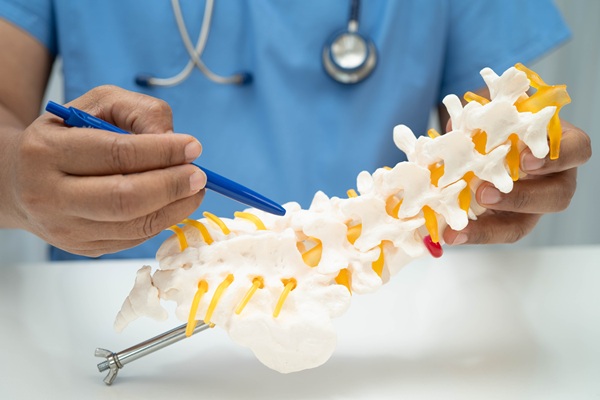
Spinal stenosis usually occurs in the neck and lower back. Some people with spinal stenosis do not have any symptoms. But people who do, tend to experience tingling, numbness, pain and muscle weakness. To diagnose spinal stenosis, a patient may be asked about the signs and symptoms, the medical history and a physical examination may be conducted. Several imaging tests, including X-rays, can help pinpoint the cause of the symptoms and signs. There are several treatment options for spinal stenosis, including medications, physical therapy, decompression procedure and alternative medicine.
Decompression procedure
This procedure involves the removal of a portion of a thickened ligament in the back of the spinal column using needle-like instruments. This increases the spinal canal space and removes nerve root impingement. Only people with a thickened ligament and lumbar spinal stenosis are eligible for this type of decompression. This procedure is known as percutaneous image-guided lumbar decompression or PILD. Since PILD is performed without general anesthesia, it can be an option for some patients with high surgical risks from other medical complications.
Alternative medicine
Integrative medicine and alternative therapies are sometimes used with conventional treatments to help people cope or deal with spinal stenosis pain. Two of the most common alternative therapies are chiropractic treatment and acupuncture. With chiropractic care, chiropractors attempt to adjust the spine to ease pain and improve movement. Some opt to use traction, which entails pulling bones further apart in order to make room for the nerves. Even though there is not a lot of scientific evidence for this, some patients say that traction is beneficial.
Acupuncture is a popular traditional Chinese practice. It involves someone inserting flexible, tiny needles into a patient or putting pressure on particular parts of the body. This helps to reduce pain. A person may also benefit from tai chi, yoga or massage.
Physical therapy
It is not uncommon for people who have spinal stenosis to become less active. This is often done in an effort to ease the pain. But this can eventually lead to muscle weakness, which can result in more pain. A patient can benefit from learning exercises that can help build up strength and endurance. Particular exercises can also improve someone’s balance and maintain the stability and flexibility of the spine.
Takeaway
If you have any of the symptoms of spinal stenosis, you should seek medical assistance early. This may help prevent spinal stenosis from progressing and causing other serious complications. Your doctor may recommend the appropriate treatment that will help with your situation. If you want to learn more about spinal stenosis treatment, talk to your doctor or chiropractor.
Get more information here: https://www.victoryspinecenternapa.com or call Victory Spine Center at (707) 673-9509
Check out what others are saying about our services on Yelp: Read our Yelp reviews.
Recent Posts
A lumbar spinal decompression is basically spine surgery that can help relieve pressure on a pinched nerve root in the low back. Lumbar spinal decompression surgery should only be considered when non-surgical treatment options have failed to provide adequate relief. It is often used as a last resort. Read on to find out if you…
Looking into degenerative disc treatment options? Chiropractors treat degenerative disc problems, as they are health care professionals who treat neuromuscular disorders. Chiropractic therapy is safe as long as it is performed by a licensed chiropractor.Considering undergoing degenerative disc treatment? The Gonstead method is a natural and one of the least invasive chiropractic therapy approaches available…
Seeking timely whiplash treatment ensures that a chiropractor addresses the underlying spinal misalignment and soft-tissue strain that often occur after an unexpected impact. It is normal to experience neck pain, stiffness, and sudden headaches following a vehicular accident or a jarring physical jolt; however, pinpointing the source of discomfort can be a struggle on your…
Non-surgical spinal decompression offers a way to ease the nagging pressure on spinal discs and nerves through a series of gentle, controlled movements. This approach helps the body find its own healing rhythm without the need for invasive procedures or long recovery times. Every session focuses on creating an environment that supports the spine's health…